The Ultimate Overview to Comprehending Home Appliance Repair Work in the house
When your refrigerator stops cooling down or your oven declines to warm, it can really feel frustrating. Understanding appliance repair in your home can conserve you time and cash. You'll learn to acknowledge signs, make use of necessary devices, and follow a methodical troubleshooting procedure. But prior to you begin, there are essential security precautions you require to consider. What are one of the most common troubles, and exactly how can you repair them? Let's explore the fundamentals.
Common Appliance Problems and Their Symptoms
When your appliances begin breaking down, it's necessary to acknowledge the signs early on. Ignoring them can bring about bigger concerns and expensive repair work. If your fridge isn't cooling down appropriately, you may see warm areas or condensation forming. This might show a stopping working compressor or a blocked vent.Your dish washer might show troubles with dirty recipes or uncommon noises throughout cycles. If you hear grinding or clanking, it's time to investigate.A cleaning maker that won't rotate or drain can leave you with soaked washing, suggesting a clogged up drainpipe or a malfunctioning pump.Lastly, if your oven's temperature level appears off or it takes permanently to pre-heat, you may be managing a malfunctioning thermostat. By staying alert to these signs and symptoms, you can deal with concerns before they intensify right into major repair services.
Vital Devices for Appliance Fixing
When you're dealing with home appliance repair services at home, having the right tools is vital. Fundamental hand devices like screwdrivers and pliers will certainly help you disassemble and fix different home appliances, while electrical testing devices guarantee you're functioning safely with wiring. Let's go over what you require to get going on your repair trip.
Standard Hand Tools
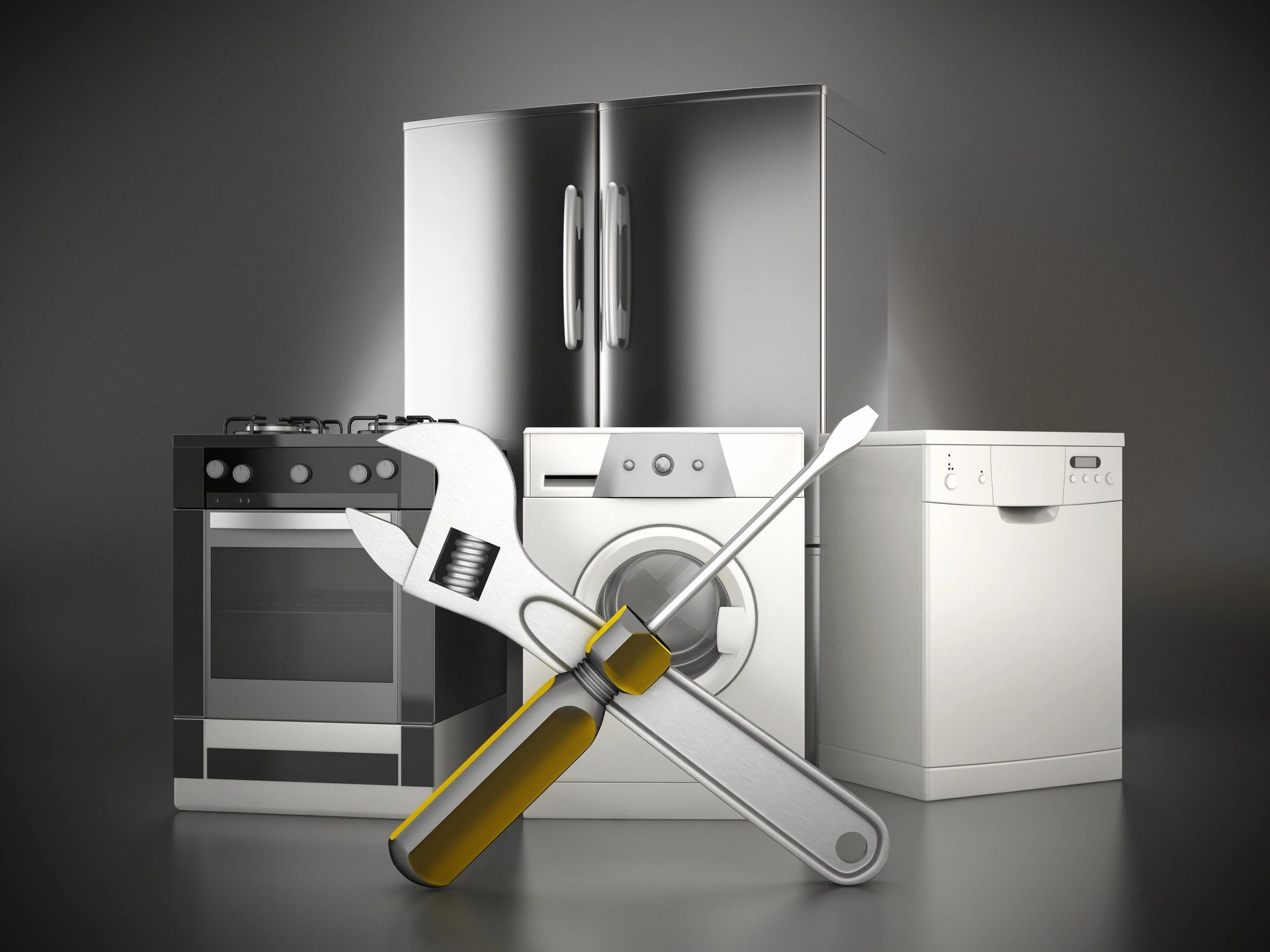
Having the right tools is essential for reliable device repair service in your home. Start with a trusted screwdriver set, consisting of both flathead and Phillips types, as screws are usual in device assembly. Pliers are also vital; they assist with gripping, twisting, and reducing wires or tiny elements. A pair of needle-nose pliers can get to tight places quickly. You'll need a great adjustable wrench for tightening or loosening up nuts and bolts. An energy knife is convenient for reducing through product packaging or insulation. Finally, do not fail to remember a sturdy workbench or surface area to safely arrange your tools and components. With these standard hand tools, you'll be well-prepared to take on most home appliance repair work that come your way.
Electrical Testing Devices
Together with basic hand tools, electrical screening devices play an essential function in device repair work. These devices help you identify electric concerns and warranty appliances work safely. A multimeter is crucial; it gauges voltage, current, and resistance, permitting you to pinpoint troubles quickly. A non-contact voltage tester is one more must-have, letting you detect online cords without making straight contact, enhancing your security. Secure meters are fantastic for determining existing circulation in wires without disconnecting them, saving you effort and time. In addition, circuit testers can quickly check if outlets are working appropriately. By utilizing these tools, you'll streamline your troubleshooting process and enhance your fixing abilities, making appliance maintenance a lot simpler.
Step-by-Step Overview to Diagnosing Device Issues
When your device breaks down, it can be frustrating, but diagnosing the issue doesn't have to be overwhelming. You'll learn to identify common troubles and use efficient fixing techniques. Allow's stroll via the actions to get your home appliance back in working order.
Common Appliance Problems
Fixing Techniques Explained
Repairing Significant Kitchen Devices: A Closer Look
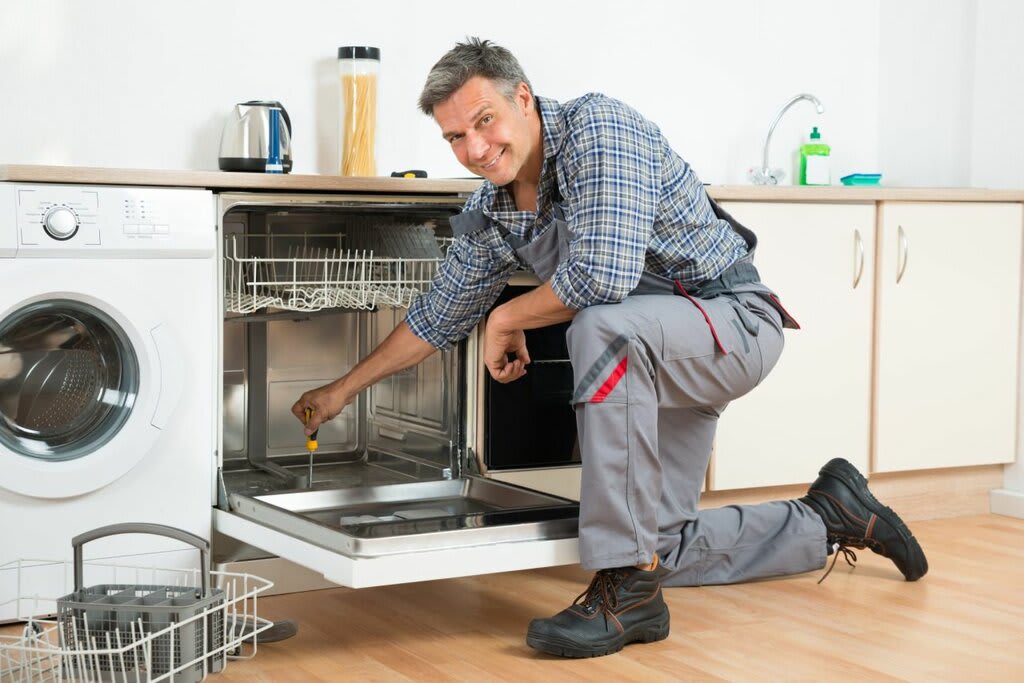
Have you ever asked yourself how to take on common concerns with your cooking area devices? Fixing major kitchen area home appliances like refrigerators, stoves, and dishwashers can be less complicated than you think. Beginning by identifying the issue-- whether it's a refrigerator not cooling or a stove that will not heat. Commonly, a simple reset or checking the power source can resolve the issue.For fridges, clean the condenser coils and check the door seals. If your stove's not home heating, examine the burner and thermostat. Dishwashing machines may simply require a clean filter or a reset to get them back at work. Constantly disconnect the appliance before diving right into repair work to ensure your safety.Don' t neglect to consult the user manual for certain repairing suggestions associated to your version. With a little patience and the right tools, you can confidently deal with home appliance fixings and conserve cash in the process!
Troubleshooting Laundry Devices: Tips and Techniques
When your laundry home appliances begin breaking down, it can really feel overwhelming, however repairing them does not have to be an inconvenience. Start by inspecting the power supply. Verify the appliance is plugged in and the outlet is working. Next, evaluate the door or cover switch; a malfunctioning button can prevent the device from operating.For washing machines, if it's not rotating, look for unbalanced tons. Rearranging the clothes may resolve the issue. If your dryer isn't heating, tidy the dust filter and check the vent for blockages.Listen for unusual noises; they can suggest an issue. If your device is dripping, examine the tubes for cracks or loose connections. Document any error codes displayed on digital screens, as they can guide you in identifying the issue. Lastly, seek advice from the customer handbook for details repairing pointers connected to your version.
Security Precautions to Take During Repairs
Prior to you begin any type of home appliance repair work, it's vital to prioritize safety to stop crashes or injuries. Initially, unplug the appliance or transform off the circuit breaker to guarantee no power reaches it while you function. Use shielded tools to decrease the danger of electric shock. Wear safety and security goggles and handwear covers to safeguard on your own from sharp sides or debris (Lg Dryer repair near me Dependable Refrigeration & Appliance Repair Service).Make certain your work space is neat and well-lit, so you can see what you're doing. Maintain children and pets away from the location to stay clear of diversions and possible risks. If you're dealing with gas home appliances, be added careful; look for leaks before proceeding.Take your time, and do not hurry via repairs. If you really feel uncertain regarding any kind of step, it's much better to stop and research than to think. Adhering to these safety measures will certainly aid create a much safer setting for your do it yourself appliance repair service task
When to Call a Professional for Assistance
Exactly how do you recognize if it's time to hire an expert for device repairs? If you've attempted fundamental troubleshooting without success, it's a clear indication. If your device still will not begin or shows unusual noises after resetting it, don't be reluctant to seek professional help.When you observe leaks, smoke, or shedding smells, prioritize security and call a pro right away. These problems can cause even more substantial damage or posture dangers to your home.Also, if your home appliance is under service warranty, calling an expert is frequently navigate to these guys the most effective path. They can ensure that repair services won't nullify your warranty, saving you cash in the lengthy run.Finally, if you're not sure or uneasy with complicated fixings, it's important to leave it to the experts. Bear in mind, dealing with complex concerns without the best experience can cause expensive mistakes. Trust fund an expert when doubtful!
Frequently Asked Inquiries
Exactly How Can I Prevent Device Issues in the Future?
To avoid device issues in the future, you ought to execute routine maintenance, look for wear and tear, tidy filters, and prevent overloading. Remaining positive will assist extend their life-span and keep them running efficiently.
What Are the Many Common DIY Home Appliance Fixing Mistakes?
You may forget safety preventative measures, skip repairing steps, or utilize wrong tools when trying DIY home appliance fixings. Hurrying the process or neglecting manufacturer standards can lead to even more substantial issues and expensive errors. Stay individual and informed!
How Do I Know if a Part Requirements Substitute?
You can tell if a part requires substitute by checking for unusual noises, leakages, or irregular performance. If the home appliance has a hard time to run correctly or shows visible damages, it's most likely time for a substitute.
Can I Use Generic Parts for Home Appliance Services?
Yes, you can make use of generic parts for appliance repair services, yet ascertain they work - Dependable Refrigeration & Appliance Repair Service Washer repair near me. Common components may save you money, but they could impact efficiency or long life, so consider your choices thoroughly before making a decision
What Warranties Cover Appliance Repairs?
Most device service warranties cover fixings for making flaws, however they frequently exclude damages from abuse. Check your warranty terms meticulously, as some might call for utilizing certified specialists and original components for protection to remain legitimate.